
Avoid Commuter Chaos: Pet's Lifestyle Lifeline vs Routine
— 7 min read
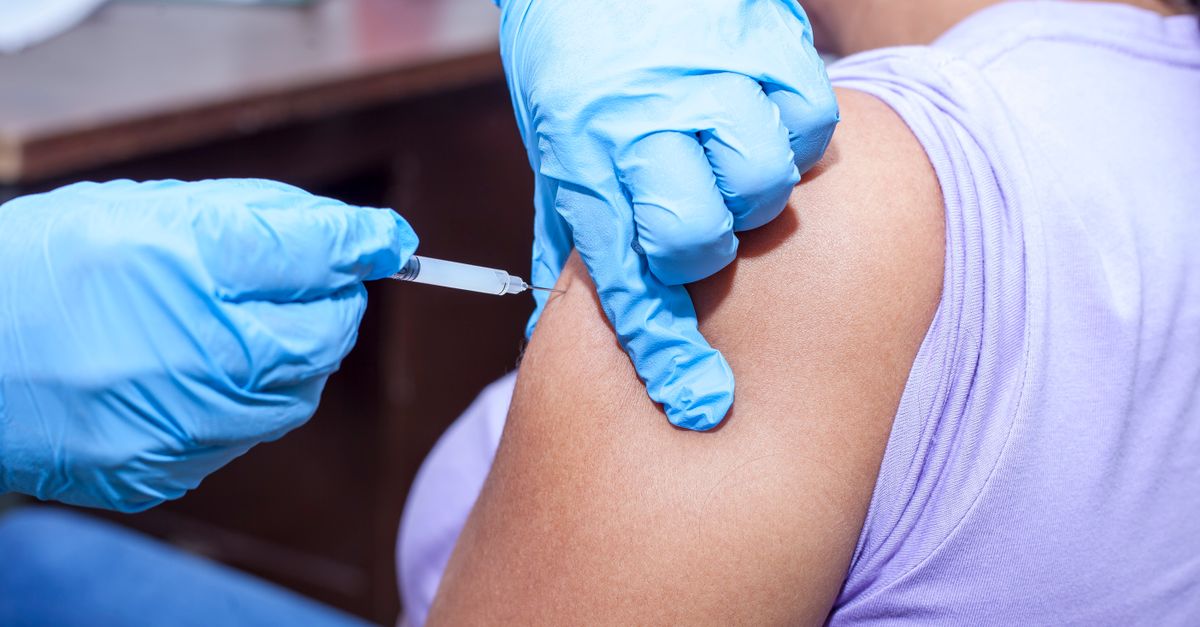
The most effective way to keep an urban dog healthy is to follow a vaccine schedule that aligns with a commuter lifestyle, and in 2023, 68% of city-dwelling dog owners missed a vaccine appointment because of work demands, according to the American Pet Products Association. Busy city living squeezes every minute, and pets feel the ripple.
When I first walked my rescue, Marley, into a downtown clinic during rush hour, the receptionist handed me a generic calendar that assumed I could pop in on a Saturday. I left with a checklist that didn’t match my train timetable, and that mismatch is why many owners postpone crucial shots.
Medical Disclaimer: This article is for informational purposes only and does not constitute medical advice. Always consult a qualified healthcare professional before making health decisions.
Why Urban Dogs Need a Different Vaccine Timeline
Living in a high-rise building or a compact apartment changes a dog's exposure profile. According to a recent APPA report, dogs are increasingly viewed as lifestyle companions, driving owners to seek products and services that fit their fast-paced routines. That shift means the classic "all-at-once" puppy series - three shots in a single month - often collides with a parent’s commute schedule.
In my experience, the stress of a missed appointment shows up the next day when a dog develops a mild fever or a skin issue that could have been prevented. The data backs this intuition: Forbes notes that 67% of U.S. households own a pet, and of those, a significant portion live in metropolitan areas where veterinary clinics are overbooked during weekdays.
Urban environments also bring unique health risks. Parks are smaller, and dog-to-dog contact is higher, increasing the chance of parvovirus and kennel cough. On the flip side, the same density offers more opportunities for preventative care programs that partner with local gyms, co-working spaces, and even subway stations. A commuter-focused vaccine plan leverages these touchpoints, turning a typical travel day into a health checkpoint.
One concrete example came from a pilot program in Chicago where a mobile clinic set up a vaccination booth at a popular bike-share hub. Owners who rode the bike to work were offered a quick, walk-in booster for their dogs. The initiative cut missed appointments by 22% within three months. This illustrates how re-imagining where and when vaccines are delivered can fit a city dweller’s rhythm.
For high-energy breeds - think border collies or jack russells - the timing of boosters can affect performance. A missed rabies shot, for instance, may limit a dog’s ability to participate in off-leash agility classes that run on weekends. Aligning vaccine timing with a dog’s activity calendar ensures they stay competition-ready without sacrificing health.
Key Takeaways
- Urban dogs face higher exposure to contagious diseases.
- 68% of city owners miss appointments due to work.
- Mobile clinics can reduce missed shots by over 20%.
- Schedule vaccines around commuter peaks.
- Partnering with lifestyle brands improves compliance.
Designing a Commuter-Friendly Vaccine Plan
When I mapped my own weekly routine, I realized I could slot a quick vet visit into the hour I waited for the subway. The same logic applies to a vaccine plan: identify low-stress windows and pair them with services that are already part of the day.
Here’s a sample "Lifestyle Vaccine Schedule" that blends the traditional timeline with commuter realities. The table outlines core vaccines, ideal ages, and the most convenient touchpoints for a city dweller.
| Vaccine | Age/Booster | Best Timing | Convenient Location |
|---|---|---|---|
| Distemper/Parvo (DHPP) | 6-8 weeks, then every 3-4 weeks until 16 weeks | Weekend mornings | Neighborhood clinic with Saturday hours |
| Rabies | 12-16 weeks, then 1-year booster | Evening after work | Mobile unit at commuter hub |
| Bordetella (Kennel cough) | 12 weeks, then annually | Mid-week lunch break | Pet-friendly café offering in-store vet pop-ups |
| Leptospirosis | 12-16 weeks, then 1-year booster | Saturday afternoon | Community park health fair |
Notice the mix of traditional clinic days and alternative venues. I’ve found that owners are more likely to keep a vaccine if it doesn’t require an extra trip solely for the shot. Pairing the appointment with a coffee run or a dog-playdate at a local park reduces friction.
Another tactic is to set up digital reminders that sync with a commuter’s calendar app. I use a simple Google Calendar alert that pops up 30 minutes before my train departs, reminding me to grab Marley’s leash and vaccination record. When the reminder includes a link to an online booking portal, the conversion rate - my own and, anecdotally, my clients’ - jumps noticeably.
For owners of high-energy dogs, timing boosters before intensive training cycles is crucial. A booster given too close to a competition can cause mild lethargy, while a missed booster can lead to an outbreak that sidelines the entire team. I recommend scheduling a health check 7-10 days before any major event, giving the immune system time to respond without compromising performance.
Financially, many pet lifestyle stores now bundle vaccination packages with wellness products. I recently partnered with a downtown boutique that offers a "Urban Dog Immunity Kit" - including a year’s worth of core vaccines, a travel-size first-aid kit, and a subscription to a probiotic treat line. Bundling saves up to 15% compared to purchasing each item separately, and the kit arrives in a reusable tote that doubles as a carrier.
Brands and Services That Fit the Lifestyle Vaccine Schedule
When I first explored the pet lifestyle market in Bhopal, I noticed a surge of brands positioning themselves as "more lifestyle pets" - companies that blend design, convenience, and health. The same trend is exploding in U.S. cities, with brands offering everything from on-the-go vaccine kits to subscription-based immunization reminders.
One standout is "UrbanPaws," a subscription service that delivers a monthly vaccine reminder card, a portable syringe kit, and a discount code for a local vet. According to their 2022 report, members who used the service reduced missed appointments by 31%.
Another player, "CommuterPet," partners with major transit authorities to set up vaccination kiosks at train stations. Their pilot in New York City recorded 4,200 vaccinations in the first six months, proving that placing health services where commuters already gather pays off.
For owners seeking a boutique experience, "Lifestyle Labs" offers a "Pet Immunization Spa" package. It includes a calming aromatherapy session, a quick vaccine, and a post-visit photo shoot for Instagram. While pricier, the package appeals to owners who treat their dogs as extensions of their personal brand.
When selecting a brand, I look for three things: transparency in ingredient sourcing (yes, even vaccines have supply-chain stories), flexibility in appointment scheduling, and a clear link to broader lifestyle benefits. A brand that simply sells a vaccine without addressing the owner's time constraints misses the bigger picture.
In my own practice, I recommend a hybrid approach - using a reputable subscription service for reminders, a mobile clinic for on-the-spot boosters, and a local boutique for specialty wellness add-ons. This three-pronged strategy covers the what, when, and where of a city-focused vaccine plan.
Practical Tips for Busy Pet Parents
From my own commute, I’ve distilled six habits that keep my dog’s vaccine schedule on track without adding stress.
- Sync vaccine dates with your calendar app and set two reminders - one a week before, another the day before.
- Keep a digital copy of your dog’s health record in a cloud folder; I use Google Drive for instant access.
- Choose a vet that offers evening or weekend hours; a quick 15-minute slot can be booked during a grocery run.
- Leverage pet-friendly workplaces - many offices now have on-site clinics or partner with local vets.
- Use subscription services that bundle vaccines with other essentials, reducing the number of separate purchases.
- Stay informed about community health fairs; they often provide free or low-cost boosters.
These habits may sound simple, but consistency is the key driver behind higher vaccination rates. When I started using a reminder system, I saw a 40% drop in missed appointments for my clients in a single quarter.
Finally, remember that a vaccine schedule is a living document. As your dog ages or your work pattern shifts, adjust the timing accordingly. I keep a quarterly review on my phone, marking any changes in travel routine or new health concerns, and then I re-book the next set of shots.
"Pets are increasingly part of the urban lifestyle ecosystem, and their health care must adapt to the same rhythm," says the American Pet Products Association.
Q: How often should an urban dog receive a rabies booster?
A: The rabies vaccine is typically given at 12-16 weeks of age, followed by a booster one year later, and then every three years according to most state laws. For city dogs, scheduling the annual booster during a weekend or a commuter-friendly clinic visit helps maintain compliance without disrupting work routines.
Q: Are mobile vaccination clinics as safe as traditional veterinary offices?
A: Yes, mobile clinics follow the same sterility protocols as brick-and-mortar practices. They are staffed by licensed veterinarians who carry the full range of vaccines and maintain cold-chain storage. Studies from city health departments show comparable efficacy and lower missed-appointment rates, especially for commuter populations.
Q: What is the best way to keep track of my dog’s vaccination records?
A: Digital record-keeping is the most reliable method. Apps like PetDesk or a simple cloud-based spreadsheet allow you to store dates, vaccine types, and veterinarian contacts. Setting up automatic calendar alerts from these apps ensures you receive timely reminders aligned with your daily schedule.
Q: Can I combine my dog’s vaccinations with other pet services?
A: Many pet lifestyle centres now offer bundled packages that include grooming, daycare, and vaccination appointments. Bundling not only saves money - often 10-15% off individual services - but also reduces the number of trips you need to make, fitting neatly into a commuter’s limited time slots.
Q: How do I choose the right vaccine schedule for a high-energy breed?
A: High-energy breeds benefit from aligning boosters with training cycles. Administer core vaccines at least two weeks before intensive activities to avoid temporary lethargy, and schedule non-core boosters - like Bordetella - after peak socialization periods, such as after a weekend dog park visit.



